


EB-5 VISA PROGRAM IN VIETNAM
The largely popular EB-5 Visa program has gained tremendous awareness in Vietnam for residents and citizens that are looking to achieve their U.S. Green Cards.
THE FREEDOM TO LIVE AND WORK
Created by U.S. Congress in 1990, The EB-5 program allows the people of Vietnam to obtain a U.S. visa by investing in a business that will benefit the U.S. economy and create jobs, while giving the investor the freedom to live and work anywhere in the United States.
EB-5 VISAS BY THE NUMBERS
Vietnam has become the second biggest source of investor applicants after mainland China. The EB-5 visa usage for Vietnamese applicants jumped 153% year-over-year from April 2017 to 2018. As of July of FY2018, the Department of State had issued 692 visas in Vietnam out of the total available 700 visas for Vietnam.
EB-5 VISA REQUIREMENTS
The EB-5 program is an investment visa that requires a $500,000 USD investment (approximately 11) through an EB-5 regional center like U.S. Immigration Fund. Once the investor has ultimately satisfied the USCIS requirements and the EB-5 project is successfully completed, the investor should anticipate their permanent green card and ultimately the repayment of their EB-5 investment.
EB-5 Basics
- Invest $500,000
Choose an EB-5 Project and invest $500,000 in a government-approved regional center. - Receive Green Card
Receive your conditional green card in as little as 20-24 months. Move to the U.S. with your eligible family members. - Receive Permanent Residency & Repayment of Investment
After USCIS and Project requirements have been satisfied, the investor should anticipate Permanent U.S. Residency for the investor and their eligible family, and ultimately the repayment of their $500,000 investment.

FAST TRACK TO RESIDENCY
The EB-5 visa is one of the fastest routes to U.S. permanent residency. With the EB-5 program, investors from Vietnam can access the freedom to live, work and study anywhere in the United States.

FAST TRACK TO RESIDENCY
The EB-5 visa is one of the fastest routes to U.S. permanent residency. With the EB-5 program, investors from Vietnam can access the freedom to live, work and study anywhere in the United States.

FAMILY VISA
EB-5 investors from Vietnam can include applications for eligible family members which include their spouse, and any unmarried children under 21.

OPTION TO BECOME A U.S. CITIZEN
The EB-5 visa allows investors the option to become U.S. citizens after 5 years of permanent U.S. residency.
News

What Is Changing for F-1 Students in 2026? The End of Duration of Status, Explained
Shifting visa policies are changing how H-1B professionals and F-1 students approach their future. Here’s what 2026 means for long-term immigration planning and stability in the U.S.
EB-5 After September 30, 2026: What May Change and What Protects You
Every serious EB-5 conversation in 2026 eventually arrives at the same question: what happens to the programme after September 30, 2026? If you are deciding…
The Steps Every EB-5 Investor Needs to Take Before September 30, 2026
If you are seriously considering EB-5, you are working against a date that is now less than three months away. The grandfathering protection that locks…
August 2026 Visa Bulletin: What Does It Mean for EB-5 Investors
The May 2026 US Visa Bulletin warned that EB-5 Unreserved for India may retrogress before fiscal year end. Nicholas A. Mastroianni III of U.S. Immigration Fund and Rohit Turkhud of CSG Law explain timelines, risks, and why the September 30, 2026 deadline matters.

EB-5 and the September 30, 2026 Deadline: A Guide for Indian Investors
The EB-5 program’s grandfathering deadline falls on September 30, 2026. In the Q&A below, U.S. Immigration Fund President and CMO Nicholas Mastroianni III answers the…
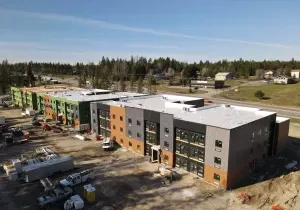
Alpine 93/40 Rural EB-5 Project Receives USCIS I-956F Approval as Phase II Offering Opens
Palm Beach, Fla. — June 16, 2026 — U.S. Immigration Fund (“USIF”), a leading EB-5 Regional Center operator, today announced that its Alpine 93/40 Rural…

EB-5 Priority Dates, FOIA Data and the 2026 Processing Model: What Every Investor Needs to Know
13,520 EB-5 petitions filed. 97% approval rate. And a new USCIS inventory management model effective March 30, 2026. Here is what the data means for your timeline.
EB-5 Visa Warning: What India’s Retrogression Risk Means for Investors | U.S. Immigration Fund
The May 2026 US Visa Bulletin warned that EB-5 Unreserved for India may retrogress before fiscal year end. Nicholas A. Mastroianni III of U.S. Immigration Fund and Rohit Turkhud of CSG Law explain timelines, risks, and why the September 30, 2026 deadline matters.

How Indians Can Get a US Green Card Without Leaving the US
By Nicholas A. Mastroianni III, President and CMO, U.S. Immigration Fund This analysis first appeared in Financial Express: https://www.financialexpress.com/immigration/how-indians-can-get-a-green-card-without-leaving-the-us-explained/4216218/ Indians already in the U.S. on…
EB-5 EAD Cut to 18 Months: Backlog Risk Every Investor Needs to Know | EB-5 Essentials
EB-5 EAD has been cut from 5 years to 18 months. Processing is now running 6 to 8 months. The Visa Bulletin says current,…
Sign up to learn more
"*" indicates required fields

Main Links
Contact
Phone
1.855.EB5.USIF
+001.561.799.1883
Email
[email protected]
Address
691 North U.S. Highway 1
Tequesta, FL 33469
*Based on USCIS data provided in The Reform and Integrity Act. Call +001.561.799.1883. View our Privacy Policy.
© 2026 USIF RC Manager, LLC. USIF RC Manager, LLC is the owner of the regional centers. References to USIF are to USIF Manager LLC, or its affiliates.

AVAILABLE NOW?
Speak to your EB-5 immigration specialist on WhatsApp.